



Bulk Expertise
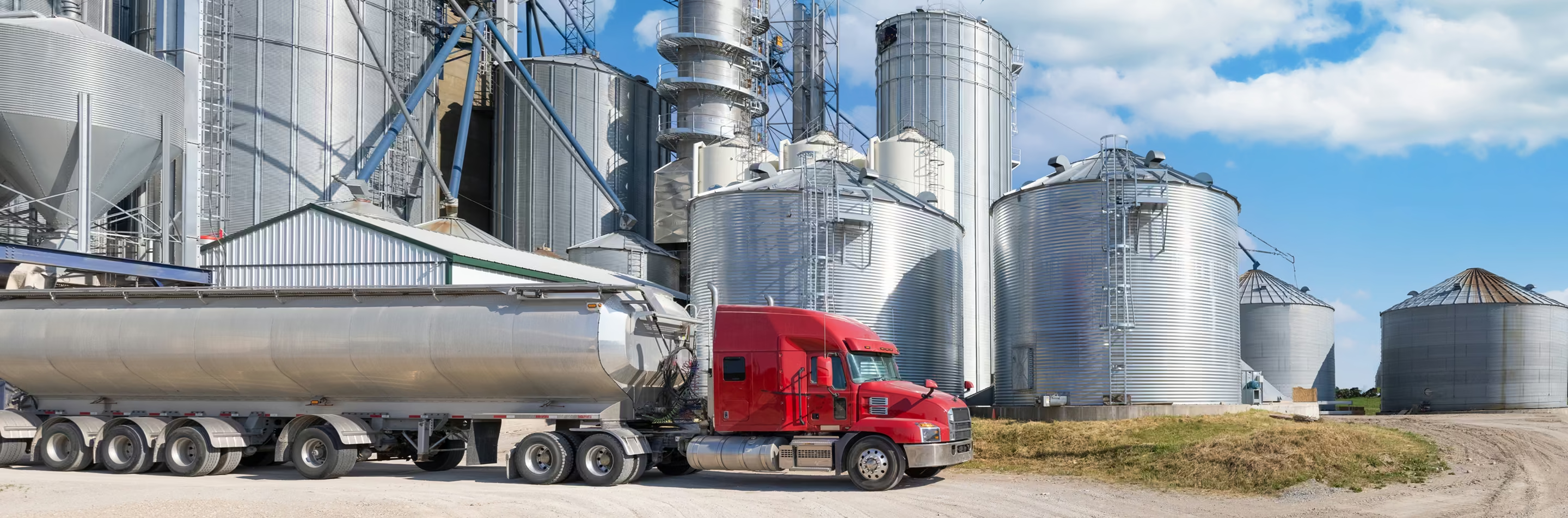
Mitigating Risk for Fewer Issues and Delays
When you’re moving liquid or dry bulk, every detail matters: carrier fit, compliance, washouts/seals, and appointments. We manage it all to keep your shipments moving reliably.
The 5 Failure Points That Lead to Dwell
Bulk delays usually start before the gate. We prevent the most common causes of plant dwell:
- Washout lag when the truck isn’t clean in time.
- Fittings mismatches that prevent loading/ unloading.
- Paperwork holds, including BOL/SDS/placards/ permits.
- Driver qualification gaps, such as endorsements, training, or PPE.
- Missed appointments, tight windows and no clear escalation path.
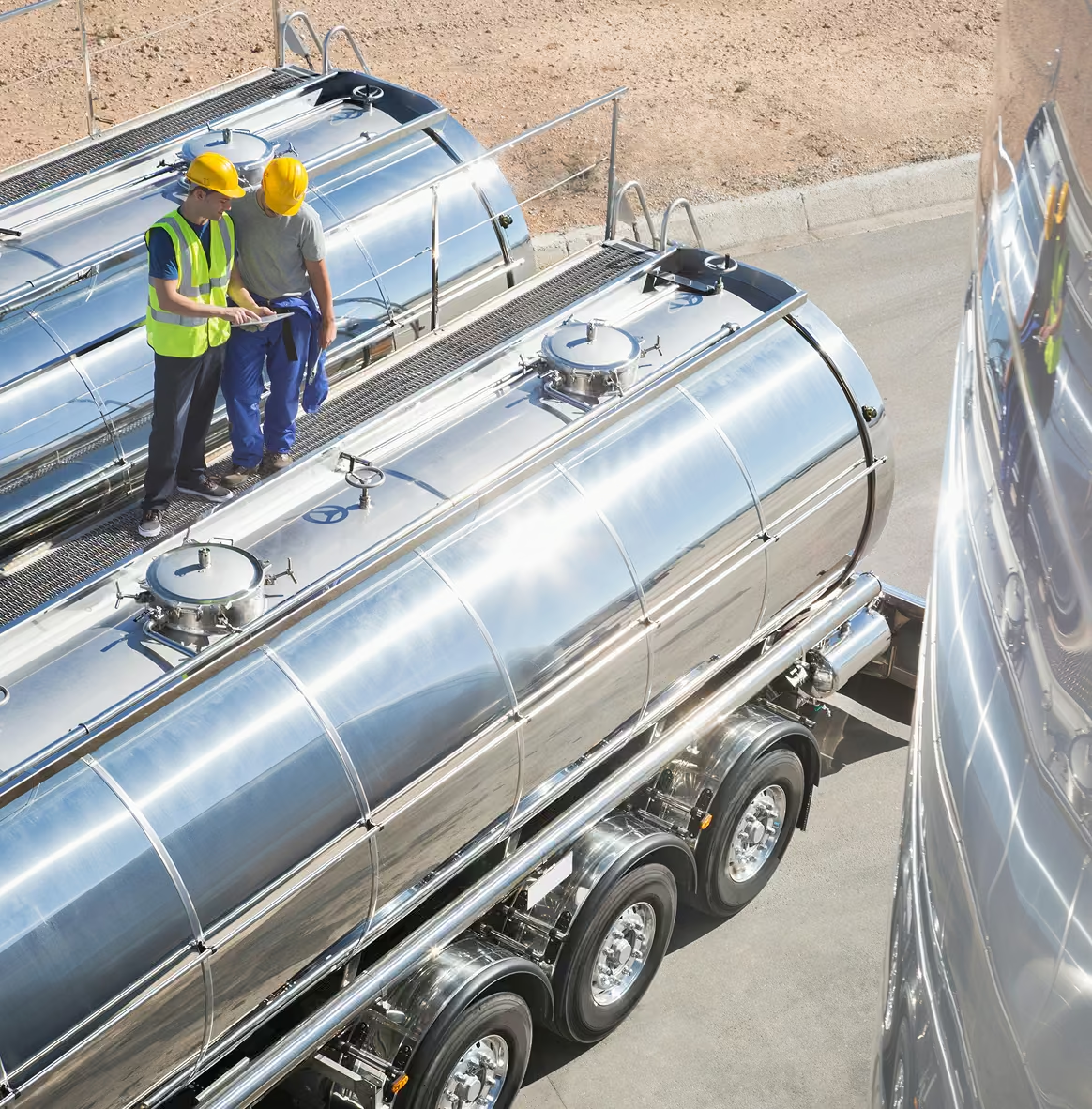
What We Handle Behind the Scenes
Match carrier and tank requirements to commodity/ site needs, including heated/ insulated/pressurized requirements when needed.
Confirm washouts, seals, and cargo-specific protocols before pickup.
Verify fittings/adapters and site connections in advance.
Coordinate documentation and compliance support for regulated shipments.
Assign qualified drivers and brief on site SOPs/PPE.
Control appointment timing and take ownership for escalations.
Bulk dispatch questions
What is plant dwell time on a bulk load?
Plant dwell is the time a bulk tanker sits at a loading facility longer than scheduled. It pushes back delivery times and adds carrier fees, and it often comes from something that was not confirmed before dispatch.
What is the difference between a standard tank wash and a conversion wash?
A standard wash cleans a tank between compatible products. A conversion wash is a deeper process used when a tank changes product families, including a move from industrial to food-grade service, or when the next product has strict purity requirements. Conversion washes take longer and cost more, and not every wash facility offers them.
What should a tank wash certificate include?
A tank wash certificate should show the wash facility's name and contact details, the date and time of the wash, the trailer and compartment numbers, the wash type and steps, the prior product, any standard the wash meets such as food-grade or kosher, and the facility's signature or stamp.
What should a bulk load tender include?
A bulk load tender should include commodity details with hazmat status and UN number, prior load restrictions, the wash type and certificate requirement, the tank type, capacity, fittings and pump or compressor needs, the loading and unloading methods and appointments, and documentation such as the SDS.
What does Wicker Park Logistics confirm before a bulk truck is dispatched?
Before dispatch we confirm that the carrier and tank match the commodity and the site, the washout and seals are done, the fittings and adapters fit the site connections, the paperwork is complete, the driver holds the right endorsements and training, and the appointment window is set with a clear escalation path.
Get a Quote
Submit the form with a few details, and we’ll get back to you with a quote.


